Following a link without checking it
Type the official address or use a bookmark you already trust; inspect the domain before continuing.
TREZOR DEVICE GUIDE
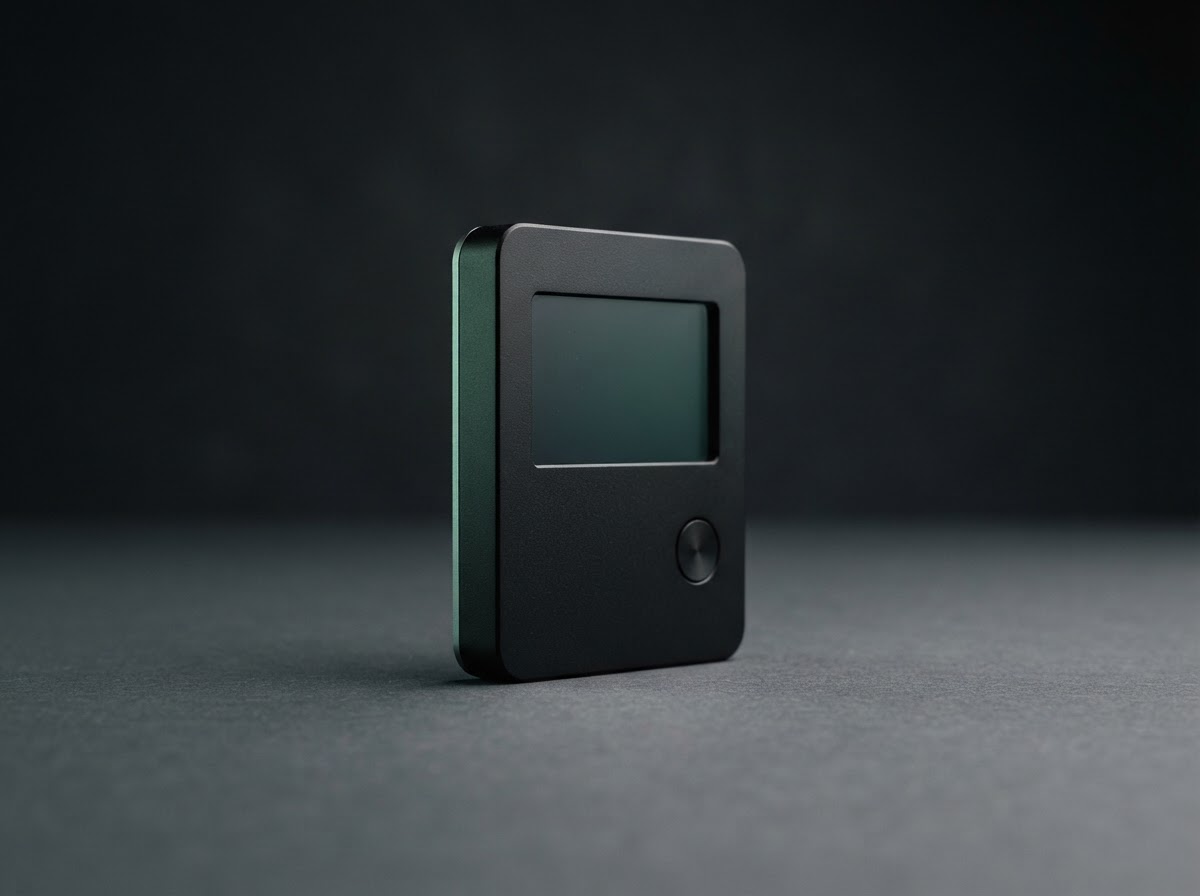
A calmer way to begin. Prepare your device, confirm what you see, and protect the recovery information that gives you control.
Explore the four stepsIndependent educational resource · Not official Trezor support
A SIMPLE SEQUENCE
Move at your own pace. If anything feels unexpected, pause and verify through trusted official resources before continuing.
A LITTLE CONTEXT GOES A LONG WAY
A hardware wallet keeps sensitive signing operations on the device while compatible software helps you manage assets. This guide cannot verify a device for you; use it as a reminder to slow down, check instructions, and understand each prompt.
Reach Trezor’s official website by entering its address yourself or using a trusted bookmark. Check the spelling: ads, messages, QR codes, and comment links can lead to lookalike pages. This independent guide offers no downloads or wallet support.
Never share your recovery phrase with a person, website, app, or support agent. A legitimate setup flow should not ask you to type it into a browser.
DEVICE PREPARATION
Choose a private place where you can read the display and record recovery details without interruption. Use a personal, updated computer or phone you control; avoid public or shared devices.
Inspect the package and device, but do not treat packaging alone as proof of authenticity. Follow current manufacturer guidance to check and initialize your specific model. Instructions can differ between devices.
Prepare a supported connection. If a screen or prompt seems unexpected, stop before entering sensitive information and reach support only through the official website.
CONNECTION AND SETUP OVERVIEW
Navigate directly to Trezor’s official website and use its current instructions to find the recommended software for your model. Check the address before opening or downloading anything; avoid links sent unexpectedly by strangers.
Connect as directed and keep the device screen visible. Setup may involve firmware, a PIN, and wallet initialization. Read each prompt. If a computer or website asks for recovery words, stop; never disclose them online.
Screens may change over time, so use this overview alongside current model-specific documentation.
VERIFICATION
Verification is a habit, not one green check mark. Follow official steps to check authenticity and review firmware prompts. If a check fails or a warning is unclear, pause and seek help through official channels.
Use the device display when setting a PIN; its input arrangement may differ from your computer. Before confirming an address or transaction, compare its full details on the wallet screen, which provides an independent check against altered computer information.
Approve only actions you initiated. Match the amount, network, and destination before confirming.
RECOVERY INFORMATION
A new wallet may show recovery words once during initialization. Record them in order using the manufacturer’s recommended method, then complete on-device confirmation. Keep the backup offline, private, and protected from damage or unauthorized access.
Anyone with the phrase may control the wallet’s assets. Never photograph, cloud-store, message, or paste it into an app. No support agent needs to see it. Do not enter an existing phrase online to “check” it; consult official guidance.
Your recovery words are not a password reset. Treat them like the keys to everything they protect.
SECURITY AWARENESS
Choose a hard-to-guess PIN, protect the device from unauthorized access, and keep your computer, browser, and accounts secure and updated.
Be skeptical of urgent messages from supposed support staff offering to synchronize, validate, or restore a wallet online. Navigate independently to official resources. A hardware wallet cannot prevent deception, unsafe approvals, or a lost backup.
COMMON MISTAKES
Type the official address or use a bookmark you already trust; inspect the domain before continuing.
Keep recovery information offline and private. Stop if a setup page asks you to disclose it.
Read on-device details and approve only the action you intended to begin.
Pause and use current official instructions rather than guessing or bypassing a warning.
BEFORE YOU CALL IT DONE
Use this as a quick reminder, not a substitute for the latest official instructions for your model.
GOOD QUESTIONS, CLEAR ANSWERS
No. Starting Up™ is independent and is not affiliated with or endorsed by Trezor. Reach the official site directly for software, current instructions, and support.
Follow the software links from the official Trezor website you navigate to directly. This guide provides no downloads.
No. Never type recovery words into a website, app, message, or computer. Keep them private and follow official instructions.
Pause and check current instructions for your model. If unsure, contact official support without sharing recovery words.
No. It can protect signing keys, but careful behavior, transaction review, secure software, and backup storage still matter.
START WITH CARE